

Garage door rollers do quiet, constant work: every time the door moves, 8 to 12 small wheels carry its weight up and down the tracks. When they wear out, you hear it first as grinding or squealing, then feel it as a door that shakes, drags, or stops smoothly closing. Here’s how to tell when your garage door rollers need replacing, which type to choose for Arizona’s heat and dust, what roller replacement costs in Gilbert, and which rollers you should never touch yourself.
What garage door rollers do
Each section of your door has a hinge or bracket on both ends, and each one holds a roller that rides inside the vertical and horizontal tracks. A standard four-section door has 10 rollers, five per side; a taller five-section door usually has 12. The rollers keep the door aligned in the track and let the springs and opener move hundreds of pounds smoothly.
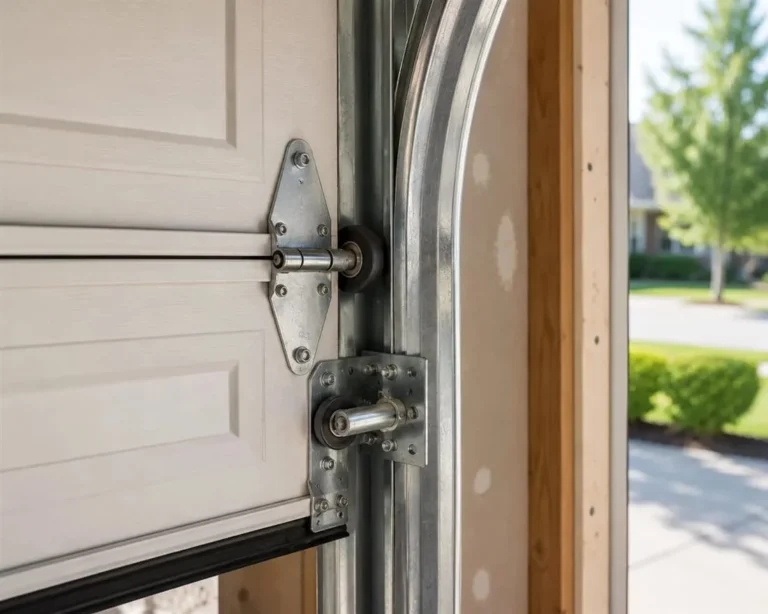
Because every roller carries part of the load on every open and close, they wear together. That’s why, when one fails, the rest are usually not far behind.
Signs your garage door rollers are worn out
Rollers fail slowly, so the warning signs are easy to live with until something breaks. Look and listen for:
• Grinding, squealing, or rumbling that comes back soon after you lubricate.
• Wobbling rollers that tilt in the track instead of spinning straight.
• Cracked, chipped, or flat-spotted wheels, especially on cheap plastic rollers.
• Seized rollers that slide along the track instead of turning. You’ll often see a shiny worn line on the track.
• Bent stems, or rollers sitting at an angle in their hinges.
• A shaky, jerky door that vibrates or catches as it moves.
• A roller popping out of the track. That’s the point where worn rollers turn into an off-track garage door.
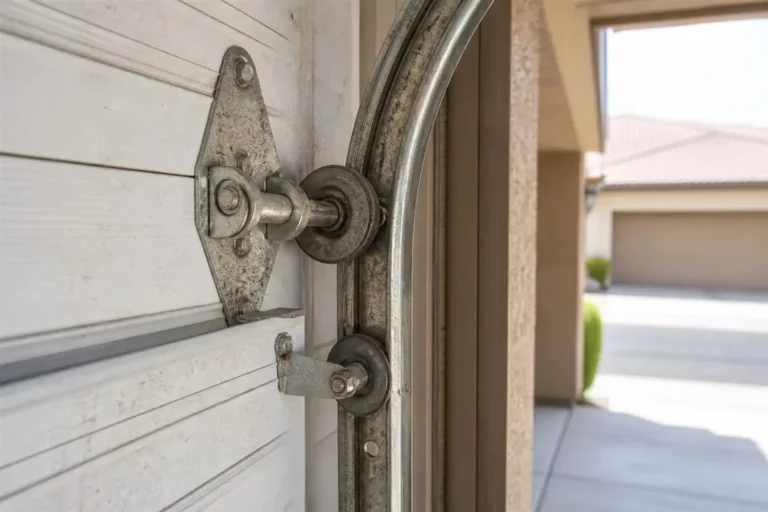
Quick check: with the door closed, look at each roller and gently try to rock it. A healthy roller spins freely with only slight play. Then watch the door open and close: every roller should turn, not slide or wobble. Noise alone isn’t proof; our sound-by-sound noise guide helps you tell rollers apart from springs and the opener.
Nylon vs. steel garage door rollers
The type of roller matters more than most people expect, both for noise and for how long it lasts in the desert:
| Roller type | Pros | Cons |
|---|---|---|
| Plastic or nylon, no bearings | Cheapest; quiet when new | Wears quickly; wheels crack and flat-spot, especially in heat |
| Steel with open bearings | Strong; common on older doors | Loud; open bearings collect dust and rust |
| Nylon with sealed ball bearings | Quiet; smooth; sealed bearings keep dust out | Costs more per roller |
For most Gilbert homes, nylon rollers with sealed ball bearings are the best value. Fine desert dust is what wears out open bearings, and a sealed bearing keeps it out. Rollers are rated in open-and-close cycles: basic rollers are commonly rated around 10,000 cycles, while quality sealed-bearing nylon rollers are often rated for well over that. A family that uses the garage as the main entrance can put around 1,500 cycles a year on a door, so cheap rollers can wear out within a few years.
Why rollers wear faster in Arizona
Triple-digit summers dry out lubrication, and monsoon dust storms pack fine grit into the tracks and bearings. Together they turn a smooth-rolling bearing into a grinding one. Sun on a west-facing door also heats the tracks and rollers more than in milder climates.
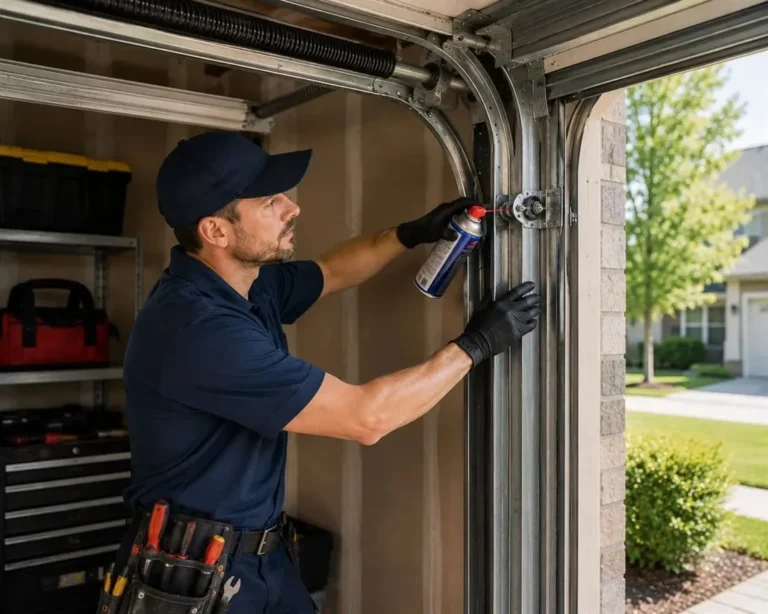
You can slow this down: wipe the tracks clean, and lubricate the roller bearings, hinges, and springs with a garage-door-specific lubricant, but don’t grease the inside of the tracks. Rollers need to roll, not slide, and grease in the track just collects dust. Our garage door maintenance checklist covers the safe DIY steps, and a yearly tune-up catches worn rollers before they cause bigger damage.
Garage door roller replacement cost in Gilbert (2026)
Roller replacement is one of the less expensive garage door repairs, especially when it’s done before a worn roller damages anything else. Typical Gilbert ranges:
| Roller job | Typical Gilbert cost |
|---|---|
| Full set of standard rollers replaced | $100–$200 |
| Upgrade to sealed-bearing nylon rollers | Top of that range, or a little above for a large door |
| Worn rollers found during a tune-up | Tune-up $100–$150; rollers quoted before any work |
| Rollers plus straightening a bent track | Track straightening adds $125–$300 |
| Door already off track from failed rollers | Realignment $150–$350, plus rollers |
A good technician tells you which rollers you have, what they recommend replacing them with, and the total price before starting. For the bigger picture, see our garage door repair cost guide for Gilbert.
Should you replace all the rollers at once?
Usually, yes. All the rollers on a door have done the same number of cycles in the same heat and dust, so if two are badly worn, the rest are close behind. Replacing the full set in one visit costs less than calling out a technician repeatedly, and it makes the door run evenly. While the rollers are out, the hinges should be checked too: a cracked hinge causes the same wobble and noise as a bad roller.
Can you replace garage door rollers yourself?
Some of them, carefully. The top and middle rollers sit in hinges and the top brackets. With the door closed and the opener unplugged, a handy homeowner can replace them one at a time by loosening that hinge, swapping the roller, and re-tightening it. Work on one hinge at a time so the door stays supported.
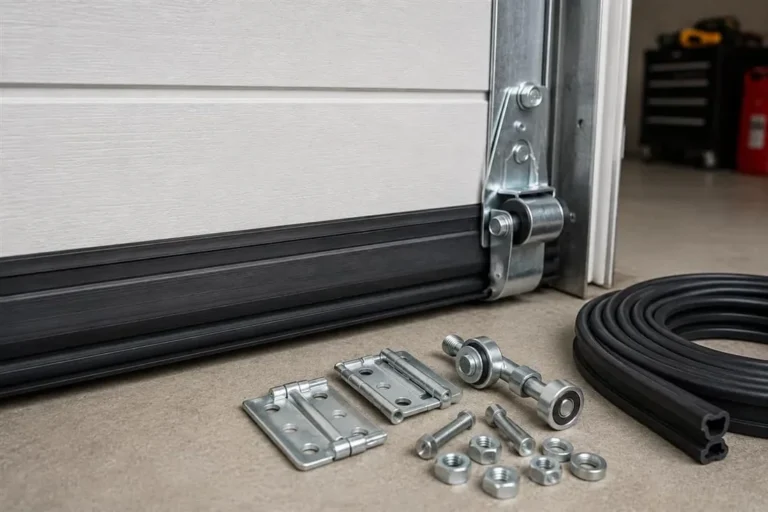
The bottom rollers are different. They sit in the bottom brackets, and those brackets anchor the lift cables, which are under full spring tension. Loosening a bottom bracket can let the cable whip loose or the door drop. That’s a job for a technician, along with anything involving springs or cables. If a roller is already out of the track, or the door is sitting crooked, don’t try to force it back; see what to do when a door comes off track.
How a pro replaces garage door rollers
1. Close the door, unplug the opener, and secure the door so it can’t move.
2. Check every roller, hinge, and both tracks to find out what’s actually worn.
3. Replace the top and middle rollers one hinge at a time.
4. Replace the bottom rollers with the cable tension safely managed.
5. Check track alignment and tighten loose track brackets and hinge bolts.
6. Lubricate the new rollers’ bearings, hinges, and springs, then test the door’s balance, travel, and auto-reverse.
Roller replacement is often combined with a full garage door maintenance and tune-up visit, since the door is already being inspected end to end.
Frequently Asked Questions
How much does garage door roller replacement cost?
In Gilbert, replacing a full set of garage door rollers typically costs $100–$200. Premium sealed-bearing nylon rollers or a large door can land at the top of that range or a little above. If worn rollers have already bent a track or pulled the door off track, those repairs add to the cost.
How do I know if my garage door rollers are bad?
Common signs are grinding or squealing that returns soon after lubrication, rollers that wobble or slide instead of spinning, cracked or flat-spotted wheels, bent stems, and a door that shakes or catches as it moves. A roller popping out of the track is a sign it’s already failing.
Are nylon or steel garage door rollers better?
For most homes, nylon rollers with sealed ball bearings are the better choice. They run quieter than steel, and the sealed bearings keep dust out, which matters in Arizona. Cheap nylon rollers without bearings wear out quickly, and steel rollers with open bearings are loud and collect grit.
How long do garage door rollers last?
It depends on the roller and how often the door is used. Basic rollers are commonly rated around 10,000 open-and-close cycles, which can be only a few years for a busy household. Quality sealed-bearing nylon rollers are rated higher and usually last much longer, especially if the door gets a yearly tune-up.
Can I replace garage door rollers myself?
You can replace the top and middle rollers yourself with the door closed and the opener unplugged, one hinge at a time. Never loosen the bottom brackets to change the bottom rollers: they hold the lift cables under spring tension and can release suddenly. Leave those to a technician.
Should I replace all my garage door rollers at once?
Usually, yes. All the rollers have worn for the same number of cycles, so the rest are likely close behind the bad ones. Replacing the full set in one visit costs less than several separate repairs and makes the door run evenly.
Will new rollers make my garage door quieter?
Often, yes. Worn rollers are one of the most common causes of grinding and rumbling, and sealed-bearing nylon rollers are noticeably quieter than steel. If the noise comes from the springs or the opener instead, new rollers won’t fix it, so it’s worth checking where the sound starts first.


